Last updated: 11 April 2026 · Report an issue
Nearby Attractions Around Kukke Subramanya
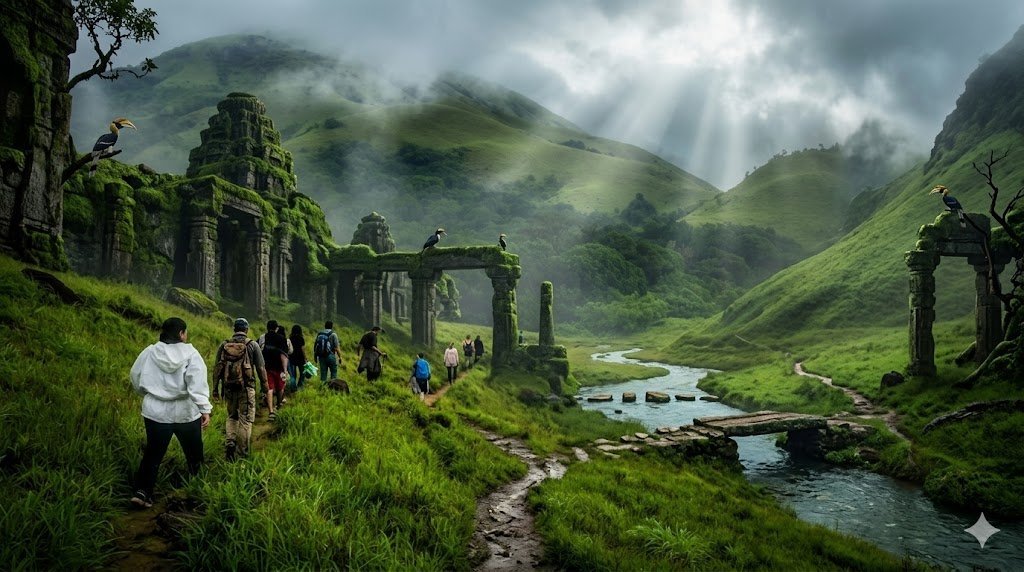
Kukke Subramanya is situated in one of the most scenic regions of the Western
Ghats, surrounded by dense tropical forests, rivers, waterfalls, and ancient
temples. Whether you are visiting for a pilgrimage, a trek, or a nature
retreat, the area around Kukke Subramanya offers a remarkable variety of
attractions that can transform a temple visit into a multi-day exploration of
Karnataka’s spiritual and natural heritage.
This guide covers the top attractions near the temple, complete with
distances, descriptions, highlights, and suggested itineraries for different
trip durations.
Attractions Within Walking Distance
1. Adi Subramanya Temple — 500 metres from the main temple
The Adi Subramanya Temple is the most ancient shrine
dedicated to Lord Subrahmanya in this region and is considered an essential
part of any visit to Kukke Subramanya. Located just a 5-7 minute walk from the
main temple, this shrine houses the Moola Mruthike — the
sacred primordial earth believed to possess extraordinary spiritual and
curative properties.
Highlights
-
Moola Mruthike: The sacred earth from this temple is a
critical component of the Sarpa Samskara ritual and is given to devotees as
blessed prasada -
Ancient origins: Believed to be the original site where
Lord Subrahmanya first manifested in this region, predating the main temple -
Separate sevas: The temple offers its own set of pujas and
sevas, including Naga Puja and Abhisheka -
Serene atmosphere: Smaller and less crowded than the main
temple, offering a more intimate worship experience -
Day 1 of Sarpa Samskara: All Sarpa Samskara rituals begin
here on Day 1, making it the spiritual starting point of the most important
seva at Kukke
Time needed: 30-45 minutes.
Best time to visit: Early morning (before 8 AM) for a
peaceful experience.
2. Biladwara Cave — 850 metres from the main temple
The Biladwara Cave (also spelled Biladvara, literally
“entrance of the burrow”) is one of the most mythologically significant sites
in Kukke Subramanya. According to the Skanda Purana and Sahyadri Khanda, this
is the cave where Vasuki, the king of serpents, performs
eternal penance under the protection of Lord Subrahmanya. The serpent king
Shesha Naga also resides here in perpetual meditation.
Highlights
-
Mythological significance: The very cave where Vasuki took
refuge after Lord Subrahmanya granted him protection — the foundational
event that makes Kukke the premier Sarpa Kshetra -
Natural formation: A natural rock cave at the base of the
Kumara Parvatha hill, the entrance is marked by a small shrine -
Serpent sightings: Local tradition holds that snakes are
frequently seen near the cave entrance, considered auspicious signs of
Vasuki’s presence -
Puja offerings: Devotees offer milk, turmeric, and flowers
at the cave entrance -
Walking path: A scenic forested path leads from the main
temple to the cave, passing through the Kumaradhara River valley
Time needed: 1 hour (including walk and visit).
Best time to visit: Morning hours. Note: The
cave interior is not open for entry; devotees worship at the entrance.
3. Kashikatte Ganapathi Temple — 400 metres from the main temple
The Kashikatte Ganapathi Temple is a beautiful shrine
dedicated to Lord Ganesha, located within the Subramanya temple town. As per
Hindu tradition, worshipping Ganesha (the remover of obstacles) before
undertaking any major spiritual endeavour ensures success and removes
hindrances.
Highlights
-
Traditional practice: Pilgrims customarily visit this
Ganapathi temple before proceeding to the main Subramanya temple -
Beautiful idol: The Ganesha idol is ornately decorated and
well-maintained -
Ganesha Chaturthi: Special celebrations during the Ganesha
Chaturthi festival (September) -
Quick visit: A brief stop that adds spiritual completeness
to the pilgrimage
Time needed: 15-20 minutes.
Best time to visit: Before the main temple darshan.
4. Abhaya Mahaganapathi Temple — 600 metres from the main temple
The Abhaya Mahaganapathi Temple houses a form of Lord Ganesha
known as Abhaya Ganapathi — the Ganesha who grants fearlessness and
protection. The word “abhaya” means freedom from fear, and devotees visit this
shrine seeking courage, protection from negative energies, and the removal of
deep-seated anxieties.
Highlights
-
Unique form: The Abhaya Ganapathi idol depicts Ganesha in a
protective, blessing posture that is not commonly found at other temples -
Spiritual protection: Particularly visited by devotees who
feel affected by negative energies, evil eye, or persistent fears -
Peaceful setting: A tranquil shrine away from the main
temple crowd -
Combined visit: Often visited alongside Kashikatte
Ganapathi as part of the complete Subramanya pilgrimage circuit
Time needed: 15-20 minutes.
Attractions Within 5 km
5. Kumaradhara River and Darpana Theertha — 200 metres from the main temple
The Kumaradhara River flows alongside the temple town and is
one of the holiest rivers in the Dakshina Kannada region. Named after Lord
Kumara (Subrahmanya), the river originates near the Kumara Parvatha peak in
the Western Ghats and flows through pristine forests before reaching
Subramanya.
Highlights
-
Darpana Theertha: The most sacred bathing spot on the
river, located just 200 metres from the temple. “Darpana” means mirror,
referring to the crystal-clear, reflective quality of the water. Bathing
here before temple darshan is considered mandatory for maximum spiritual
benefit -
Medicinal properties: The river water is believed to have
healing properties from flowing through mineral-rich forest terrain. Local
Ayurvedic tradition attributes therapeutic value to regular bathing in these
waters -
Scenic beauty: The river, framed by lush green hills and
dense forest canopy, is stunning throughout the year. During monsoon, it
swells into a roaring torrent; in winter, it is calm and clear -
Confluence with Netravathi: The Kumaradhara merges with the
Netravathi River near Uppinangady (40 km away), and that confluence is also
considered sacred -
River-side activities: Pilgrims perform rituals, prayers,
and meditation on the riverbanks. Photography enthusiasts will find
countless beautiful compositions
Time needed: 30 minutes to 1 hour (bathing and prayer).
Best time: Early morning before darshan, or late afternoon
for photography.
Attractions Within 20-60 km
6. Kumara Parvatha Trek — 14 km from the temple (trek starting point)
Kumara Parvatha (also known as Pushpagiri) is the
fourth-highest peak in Karnataka at 1,712 metres (5,617 feet)
above sea level. The trek to the summit is one of the most popular and
challenging treks in the Western Ghats, attracting thousands of trekking
enthusiasts every season.
Highlights
-
Trek distance: Approximately 11 km one way from Subramanya
to the peak (22 km round trip) -
Difficulty: Moderate to difficult. The trail involves steep
ascents, rocky terrain, dense forest sections, and exposed grassland ridges -
Duration: Most trekkers complete the trek over 2 days with
an overnight camp at Bhattara Mane (a forest rest stop at approximately
950 metres). Experienced trekkers can attempt a single-day round trip
(12-16 hours) -
Scenic highlights: Panoramic views of the Western Ghats,
shola forests, grassland meadows, the Kumaradhara valley, and on clear days,
a distant glimpse of the Arabian Sea coast -
Best season: October to February (post-monsoon and winter
— clear skies, cool temperatures). The trek is closed by the Forest
Department during monsoon (June-August) due to safety concerns -
Permits: A forest entry permit is required. Obtain it from
the Forest Department check-post at Kukke Subramanya before starting the
trek -
Mythological connection: The peak is named after Lord
Kumara (Subrahmanya) and is believed to be the divine mountain associated
with the temple mythology
Getting there: The trek starts from the village of Subramanya
itself. The trailhead is about 1.5 km from the temple.
Tip: Carry sufficient water (3-4 litres), snacks, rain gear,
a torch, and warm clothing for the overnight camp.
7. Bisle Ghat Viewpoint — 20 km from the temple
Bisle Ghat is a stunning viewpoint in the Western Ghats that
offers one of the most breathtaking panoramic vistas in South India. Located
at an elevation of about 800 metres, the viewpoint overlooks three mountain
ranges — Kumara Parvatha, Pushpagiri, and Dodda Betta — and the dense forest
valleys between them.
Highlights
-
Panoramic views: A 270-degree vista of the Western Ghats
mountain ranges, valleys, and forest canopy that is simply spectacular at
sunrise and sunset -
Biodiversity: The surrounding Bisle Reserve Forest is a
biodiversity hotspot and part of the Western Ghats UNESCO World Heritage
Site -
Bird watching: Excellent location for spotting Malabar pied
hornbills, emerald doves, fairy bluebirds, and other endemic species -
Best time to visit: Early morning (sunrise) or late
afternoon. October to March for clearest views -
Photography: One of the most photographed locations in
Karnataka’s Western Ghats
Getting there: Approximately 20 km from Subramanya by road. A
private vehicle (car or jeep) is recommended as public transport is limited.
The road is partially unpaved.
8. Mallalli Falls — 40 km from the temple
Mallalli Falls (also spelled Malalli) is a spectacular
waterfall near Somwarpet in Coorg district, created by the Kumaradhara River
as it drops approximately 62 metres (203 feet) off a rocky
cliff. The falls are at their most magnificent during and immediately after
the monsoon season (July-November).
Highlights
-
Height: 62 metres — one of the tallest waterfalls in the
region -
Scenic trek: A short but steep trek (approximately 2 km)
through a forested path leads from the road to the base of the falls -
Swimming: A natural pool at the base of the falls allows
for swimming when water levels are moderate (post-monsoon). Avoid during
peak monsoon when the current is dangerously strong -
Kumaradhara connection: The same sacred river that flows
past Kukke Subramanya creates this waterfall upstream, creating a spiritual
and geographical link -
Best time: August to December for maximum water flow.
January to May sees reduced flow
Getting there: 40 km from Subramanya via road through
Somwarpet. Drive time approximately 1.5 hours. A private vehicle is essential.
9. Dharmasthala — 55 km from the temple
Dharmasthala is one of the most visited pilgrimage towns in
Karnataka, home to the ancient
Shri Manjunatheshwara Temple dedicated to Lord Shiva (as
Manjunatha). Dharmasthala is unique in Indian temple tradition: the temple
follows Shaivite (Shiva-worshipping) rituals conducted by Vaishnava
(Vishnu-tradition) Jain Heggade administrators — a rare example of
inter-faith harmony.
Highlights
-
Shri Manjunatheshwara Temple: The main temple houses a
sacred Shiva Linga and attracts over 10,000 visitors daily. Free darshan is
available throughout the day -
Bahubali Statue: A towering 39-foot monolithic granite
statue of Lord Bahubali (Gommateshwara), the Jain Tirthankara, stands
majestically near the temple -
Manjusha Museum: A fascinating museum housing antique cars,
artefacts, paintings, and historical items collected over centuries by the
Heggade family -
Free Annadana: Dharmasthala’s Annadana (free meal)
programme is one of the largest in the world, feeding up to 30,000 people
daily -
Combined pilgrimage: Visiting both Kukke Subramanya and
Dharmasthala in a single trip is an extremely popular pilgrimage combination
in Karnataka
Getting there: 55 km from Subramanya via Uppinangady. Drive
time 1.5-2 hours. Frequent KSRTC buses and shared taxis operate between the
two temple towns.
Suggested Itineraries
1-Day Itinerary: Temple Darshan and Local Sites
| Time | Activity |
|---|---|
| 5:30 – 6:30 AM | Arrive in Subramanya. Bathe at Darpana Theertha on the Kumaradhara River |
| 6:30 – 7:00 AM | Visit Kashikatte Ganapathi Temple and Abhaya Mahaganapathi Temple |
| 7:00 – 9:00 AM |
Darshan at the main Kukke Subramanya Temple (arrive early for shorter queue) |
| 9:00 – 10:00 AM | Walk to Adi Subramanya Temple for darshan and Moola Mruthike prasada |
| 10:00 – 11:00 AM | Walk to Biladwara Cave. Offer prayers at the cave entrance |
| 11:30 AM – 12:30 PM | Annadana (free lunch) at the temple dining hall |
| 12:30 – 1:30 PM | Rest, explore the temple town, purchase prasada and souvenirs |
| 1:30 PM onwards | Depart Subramanya or continue to Dharmasthala (1.5 hours drive) |
2-Day Itinerary: Sarpa Samskara and Regional Exploration
| Day | Time | Activity |
|---|---|---|
| Day 1 | 5:30 – 6:30 AM | Bathe at Kumaradhara River, wear traditional clothing |
| Day 1 | 7:00 AM – 12:00 PM | Sarpa Samskara Day 1 rituals at Adi Subramanya Temple |
| Day 1 | 12:00 – 1:00 PM | Annadana lunch |
| Day 1 | 2:00 – 3:30 PM | Visit Biladwara Cave and Kumaradhara riverside |
| Day 1 | 4:00 – 5:00 PM | Visit Kashikatte Ganapathi and Abhaya Mahaganapathi temples |
| Day 1 | 6:00 – 8:00 PM | Evening darshan at main temple and Sandhya Aarti. Annadana dinner |
| Day 2 | 5:30 – 6:30 AM | Bathe at Kumaradhara River |
| Day 2 | 7:00 AM – 1:00 PM | Sarpa Samskara Day 2 rituals at main Kukke Subramanya Temple |
| Day 2 | 1:00 – 2:00 PM | Annadana lunch |
| Day 2 | 2:30 PM onwards |
Depart. Optional: drive to Dharmasthala (55 km, 1.5 hours) for evening darshan |
3-Day Itinerary: Complete Pilgrimage, Trekking, and Nature
| Day | Time | Activity |
|---|---|---|
| Day 1 | Morning | Arrive in Subramanya. Check into accommodation. Bathe at Kumaradhara |
| Day 1 | 7:00 AM – 12:00 PM |
Sarpa Samskara Day 1 at Adi Subramanya (or darshan and sevas at main temple if not performing Sarpa Samskara) |
| Day 1 | Afternoon |
Visit Adi Subramanya, Biladwara Cave, Kashikatte Ganapathi, Abhaya Mahaganapathi |
| Day 1 | Evening | Evening aarti at main temple. Annadana dinner. Rest |
| Day 2 | Morning | Sarpa Samskara Day 2 at main temple (or Maha Abhisheka / Ashlesha Bali) |
| Day 2 | Afternoon |
Drive to Bisle Ghat Viewpoint (20 km, 45 min) for sunset views. Return by evening |
| Day 2 | Evening | Final darshan at main temple. Rest and prepare for Day 3 |
| Day 3 | Morning |
Early departure to Dharmasthala (55 km, 1.5 hours). Visit Manjunatheshwara Temple, Bahubali statue, and Manjusha Museum |
| Day 3 | Afternoon | Free lunch at Dharmasthala Annadana. Depart for home or onward journey |
Alternative Day 3 for trekkers: Instead of Dharmasthala,
start the Kumara Parvatha trek early morning (5:00 AM). Trek to Bhattara Mane
camp (7-8 hours). Camp overnight. Summit and return on Day 4. This option
converts the itinerary into a 4-day trip.
Alternative Day 3 for nature lovers: Drive to Mallalli Falls
(40 km, 1.5 hours). Trek to the waterfall base. Spend the morning at the
falls. Return via Somwarpet and depart for home in the afternoon.
Frequently Asked Questions
How far is Dharmasthala from Kukke Subrahmanya Temple?
Dharmasthala is approximately 55 km from Kukke Subrahmanya Temple by road — about 1.5 to 2 hours driving via Sullia. Many pilgrims combine both temples in a single 2-day pilgrimage itinerary. Regular KSRTC buses operate on the Kukke–Sullia–Dharmasthala route.
Can I visit Kumara Parvatha in a day trip from Kukke?
Kumara Parvatha is a 22 km round-trip trek (11 km one way) to the 1,712 m peak. It is not a day trip — plan an overnight stay at Bhattara Mane (~950 m) or at the base. The trek is closed during monsoon (June 1 – October 15) by the Forest Department. Leech socks and warm clothing are essential.
What is Biladwara Cave and how do I reach it?
Biladwara is a sacred cave approximately 850 m from the main temple, where Vasuki, the serpent king, is believed to have taken refuge under the protection of Lord Subrahmanya. Walk along the marked trail from the temple complex — no vehicle access. Carry a torch for the cave interior. Best visited in the early morning hours.
Is there a day trip that combines Kukke, Dharmasthala, and Horanadu?
A 2-day pilgrimage combining Kukke Subrahmanya, Dharmasthala, and Horanadu Annapoorneshwari is popular. Day 1: Kukke Subrahmanya (morning darshan and Sarpa Samskara). Day 2: Drive to Dharmasthala (1.5 h) in the morning, continue to Horanadu (2 h) for evening darshan. Total distance ~200 km. Private taxi or self-drive recommended.
What is Adi Subramanya Temple?
Adi Subramanya is an ancient shrine located about 500 m uphill from the main Kukke temple. It is considered the original meditation spot of Lord Subrahmanya and houses a natural anthill where the deity is believed to reside. Pilgrims visit as part of Sarpa Samskara and for Moola Mruthike prasad — sacred earth from the anthill said to have healing properties.
Are there waterfalls near Kukke Subrahmanya Temple?
Yes. Mallalli Falls (~30 km) and Abbe Falls (~85 km via Madikeri) are the nearest major waterfalls. The Kumaradhara River itself has several natural bathing ghats near the temple. Waterfalls are at their best during post-monsoon (September–December). Avoid the rocks during heavy flow.
Plan Your Pilgrimage to Kukke Subrahmanya
Whether you seek spiritual solace, Sarpa Dosha remedies, or the natural beauty of the Western Ghats.